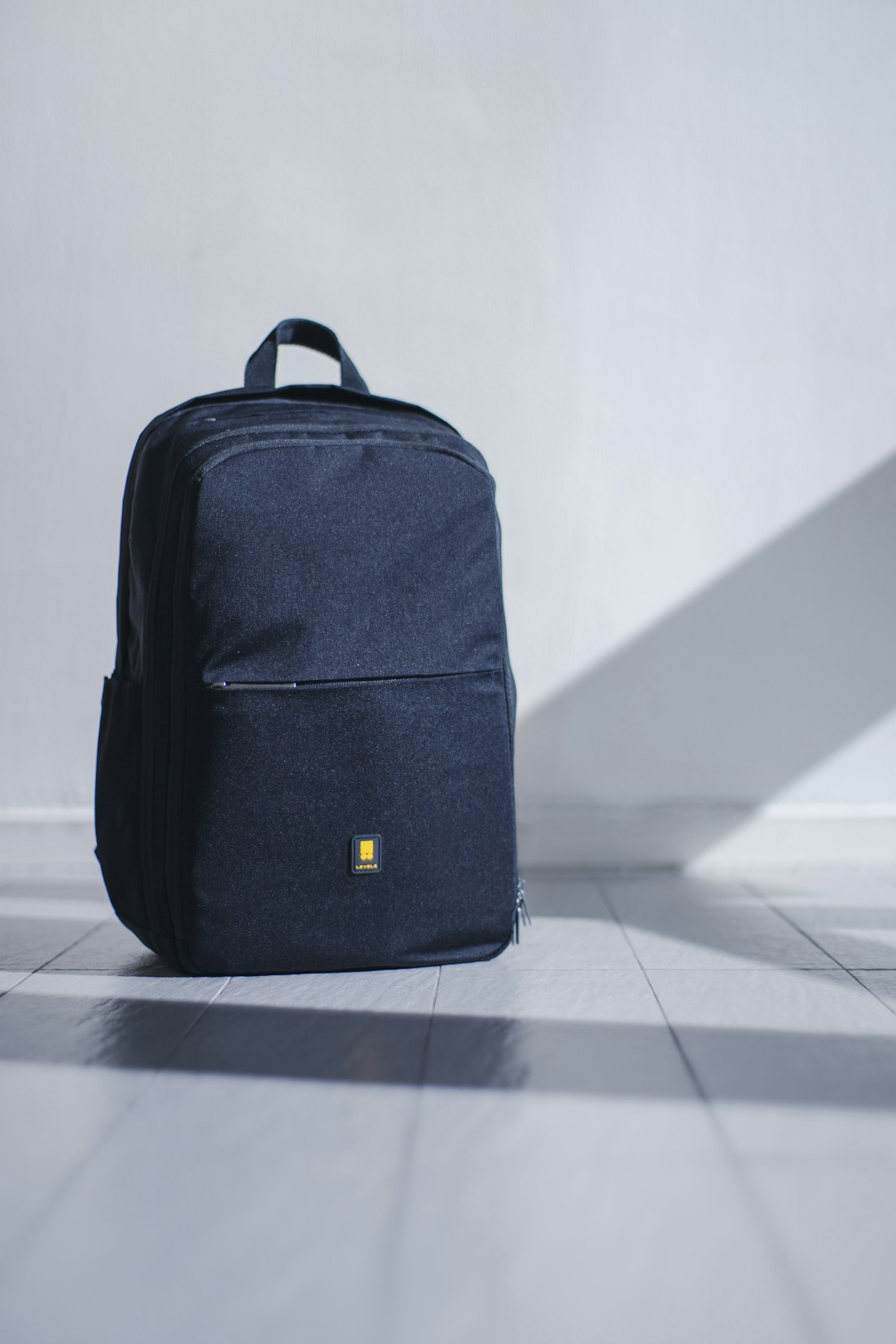
The average checked bag fee is now $35–$75 each way. A round trip for two people can cost $300 before you've left the airport. Add the time spent at the check-in counter, the wait at baggage claim, the one-in-thirty chance your bag gets lost — and checking luggage starts to look less like a convenience and more like a tax on bad packing habits.
The good news: fitting everything you need into a carry-on is a learnable skill. This guide breaks down exactly how to pack smarter — what to fold, what to roll, what to leave behind, and how to organize it all so your bag passes through the overhead bin and clears security without a second thought.
Why Carry-On Only Is the Smarter Way to Travel

Every checked bag is a small gamble. You hand it over at the counter and don't see it again until — hopefully — it appears on a carousel at your destination. Between those two moments, your bag passes through hands you never see, in areas you never access, with tracking that updates in 20-minute increments at best.
A carry-on never leaves your control. It goes where you go. It arrives when you arrive. And beyond the obvious security advantages, it forces a kind of ruthless efficiency that actually makes trips easier — fewer decisions, less to carry, nothing to forget at the hotel.
"I haven't checked a bag in four years. I pack the same way for a weekend in Montreal as I do for three weeks in Southeast Asia. It just takes knowing what to bring and how to fold it."
The packing techniques below will get you there.
The Two Packing Methods That Actually Work
1. The Flat Fold (for structure and visibility)
Flat folding — laying garments in neat, overlapping layers — creates a compact, organized stack with minimal wrinkling. It works best for structured items like dress shirts, trousers, and blazers that crease easily and need to come out looking presentable. The tradeoff is that flat-folded clothes take up more surface area, so they work best as a base layer in your bag.
2. The Ranger Roll (for t-shirts, underwear, and casual layers)
The ranger roll is a military packing technique that compresses casual clothing into tight, self-contained cylinders that stand upright in your bag. It removes air pockets, keeps items organized without packing cubes, and lets you see everything at a glance when you open your bag. For t-shirts, socks, underwear, and lightweight layers, it consistently outperforms folding in space efficiency — often by 30–40%.
How to ranger roll a t-shirt: Lay it face-down, fold the bottom hem up about 15 cm to create a cuff. Fold the sleeves in. Roll tightly from the collar down. Tuck the roll into the cuff to lock it in place. Done.
Step-by-Step: How to Pack Your Carry-On
What Actually Fits — A Realistic Guide
Most people significantly underestimate how much a well-designed carry-on can hold. Here's what you can realistically fit for different trip lengths:
2–3 outfits, toiletries, laptop, chargers, one pair of shoes (worn), light jacket. Fits in a 20–25L bag with room to spare.
5–6 outfits built around 3 bottoms and 5 tops, full toiletry kit, laptop, one extra pair of shoes, light packable jacket. The sweet spot for carry-on travel.
Same clothing as one week — you'll do laundry once. Compression sacks help with bulkier cold-weather layers. Still doable in one carry-on bag.
Experienced carry-on travellers pack identically for two weeks as for one. The discipline is in choosing versatile pieces and planning one laundry day per week.
What to Pack and What to Leave Behind
- Merino wool — lightweight, odour-resistant, versatile across temperatures
- Neutral colours that mix and match across every outfit
- Packable jacket or rain layer that compresses to nothing
- One pair of versatile shoes you wear on the plane
- Solid toiletries or 100ml liquid containers to clear security
- A portable charger and one universal adaptor
- One "going out" outfit that doubles as a business outfit
- More than two pairs of shoes (they take more space than anything else)
- Full-size toiletries — decant everything into travel containers
- Heavy denim — two pairs of jeans alone will fill a carry-on
- Anything you're bringing "just in case" — shops exist everywhere
- Multiple charging bricks — one USB-C brick charges everything
- Books — your phone holds thousands
- A separate "airport outfit" — wear your most comfortable and bulkiest items on the plane
6 Pro Tips for Carry-On Travel